

Most Toronto homeowners notice hard water on their faucets and glass shower doors, but the bigger cost is hidden inside the appliances that use water every day. Scale builds up where you cannot see it, forcing equipment to work harder and wear out sooner. That is why many households compare water softener installation services in Toronto after replacing a water heater or dishwasher earlier than expected. Below, we explain how hard water damages each major appliance, what the warning signs look like and how to protect your investment.
Why Toronto Water Is Tough on Appliances
Toronto water comes from Lake Ontario and contains around 120 to 130 milligrams per litre of calcium and magnesium, roughly 7 grains per gallon. When this water is heated, the minerals separate out and harden into limescale. Any appliance that heats water or holds it for long periods is exposed to this buildup. Over months and years, even a thin layer of scale adds up to lower efficiency, more repairs and a shorter working life.
Appliances Most Affected by Hard Water
1. Tank Water Heaters
Your water heater takes the biggest hit. Minerals settle at the bottom of the tank and form a layer of sediment between the burner or element and the water. The heater must run longer to reach the same temperature, which raises your gas or hydro bill.
Research funded by the Water Quality Research Foundation found that hard water reduced the efficiency of gas storage water heaters over time, while heaters running on softened water kept their original efficiency. A typical tank heater lasts around 8 to 12 years, and heavy scale can push replacement toward the shorter end of that range. Warning signs include popping or rumbling noises, slower hot water recovery and rusty or cloudy hot water.
2. Tankless Water Heaters
Tankless units heat water as it flows through narrow heat exchangers. Scale builds up quickly in these small passages, which can trigger error codes, reduce flow and cause the unit to shut down. Most manufacturers recommend regular descaling in hard water areas, and some warranties require water treatment above a certain hardness level.
3. Dishwashers
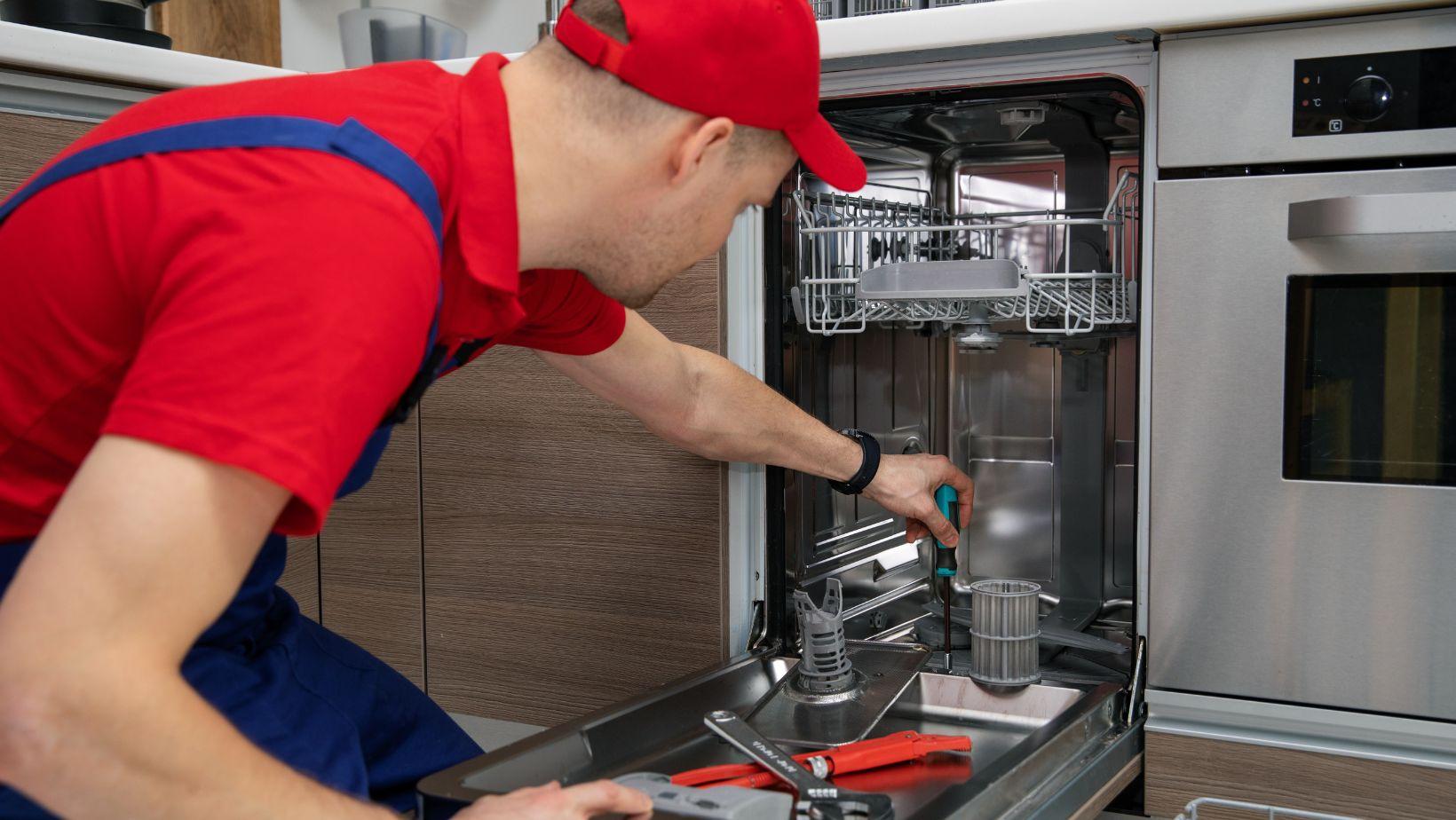
Scale collects on the heating element, spray arms and inside the small holes that spray water onto your dishes. As these clog, cleaning performance drops and dishes come out spotty or cloudy. Mineral buildup can also affect valves and pumps, leading to leaks or failed cycles.
4. Washing Machines
Hard water makes detergent less effective, so many people use more soap to compensate. Leftover detergent and minerals build up inside the drum, hoses and valves. Front load machines, which use less water, are especially prone to residue and odours. Over time, this extra wear can shorten the life of pumps and seals.
5. Furnace Humidifiers
Many Toronto homes run a whole home humidifier on the furnace during winter. The water panel or evaporator pad in these units can become crusted with minerals within a single season, blocking airflow and reducing how much moisture is added to your home. Hard water means more frequent pad replacements and more cleaning.
6. Coffee Makers, Kettles and Ice Makers
Smaller appliances suffer too. Coffee makers slow down and brew at lower temperatures as scale builds up. Kettles develop a chalky lining. Refrigerator ice makers and water dispensers can clog, producing smaller cubes or weak flow.
7. Faucets, Showerheads and Toilets
Scale narrows aerators and showerhead nozzles, reducing pressure. Inside toilet tanks, minerals can cause fill valves and flappers to stick, leading to running toilets and wasted water.
8. Boilers and Radiant Heating
Homes with hydronic or radiant floor heating can also be affected, especially when the system is topped up with fresh water. Scale on heat exchange surfaces lowers efficiency in the same way it does in a water heater.
The Real Cost of Scale
The damage from hard water rarely shows up as one big failure. Instead, it appears as a series of smaller costs:
- Higher energy bills from appliances running longer
- More detergent, rinse aid and descaling products
- More frequent service calls and part replacements
- Earlier replacement of expensive appliances
- Voided warranties if water treatment was required but not used
When you add these together over ten years, the total can be far higher than most homeowners expect.
Warning Signs Your Appliances Are Struggling
- Water heater makes noise or runs out of hot water sooner
- Dishwasher leaves a white film even with fresh detergent
- Laundry feels stiff and the washer smells musty
- Coffee maker takes longer to brew
- Humidifier pads turn hard and white within weeks
- Error codes appear on a tankless heater
How to Protect Your Appliances
Short Term Maintenance
Flush your tank water heater once a year to remove sediment. Run a descaling cycle in the dishwasher and washing machine every month or two. Soak showerheads and aerators in white vinegar to dissolve scale. Replace humidifier pads at the start of every heating season.
Long Term Protection
Maintenance treats the symptoms, but the minerals return with every litre of water that enters your home. A water softener removes calcium and magnesium at the main supply line, so every appliance downstream receives water that does not form scale. Studies have also shown that dishwashers and washing machines can clean effectively with less detergent when supplied with softened water.
Before choosing a system, test your water hardness and consider how many people live in the home, since both affect the size of softener you need.
Conclusion
Hard water is one of the most common and least noticed reasons appliances fail early in Toronto homes. Scale lowers efficiency, increases repair costs and shortens the life of water heaters, dishwashers, washing machines and more. Regular maintenance helps, but treating the water at its source is the most reliable way to protect your appliances for the long term. For more information on water testing and treatment for your home, visit oakswater.ca.