
There are dive trips, and then there are trips that completely change how you see the ocean. A Maldives liveaboard trip is firmly in the second category. From the moment you step aboard and watch the capital Malé disappear behind you, to the final night dive before disembarkation, everything about this kind of journey is designed around one thing: the best possible time underwater.
But planning it well makes all the difference. This guide walks you through everything — what a liveaboard trip actually involves, the best atolls to explore, what to look for in a vessel, and when to go to maximise your chances of encountering the Maldives’ most iconic marine life.
What Is a Maldives Liveaboard Trip?
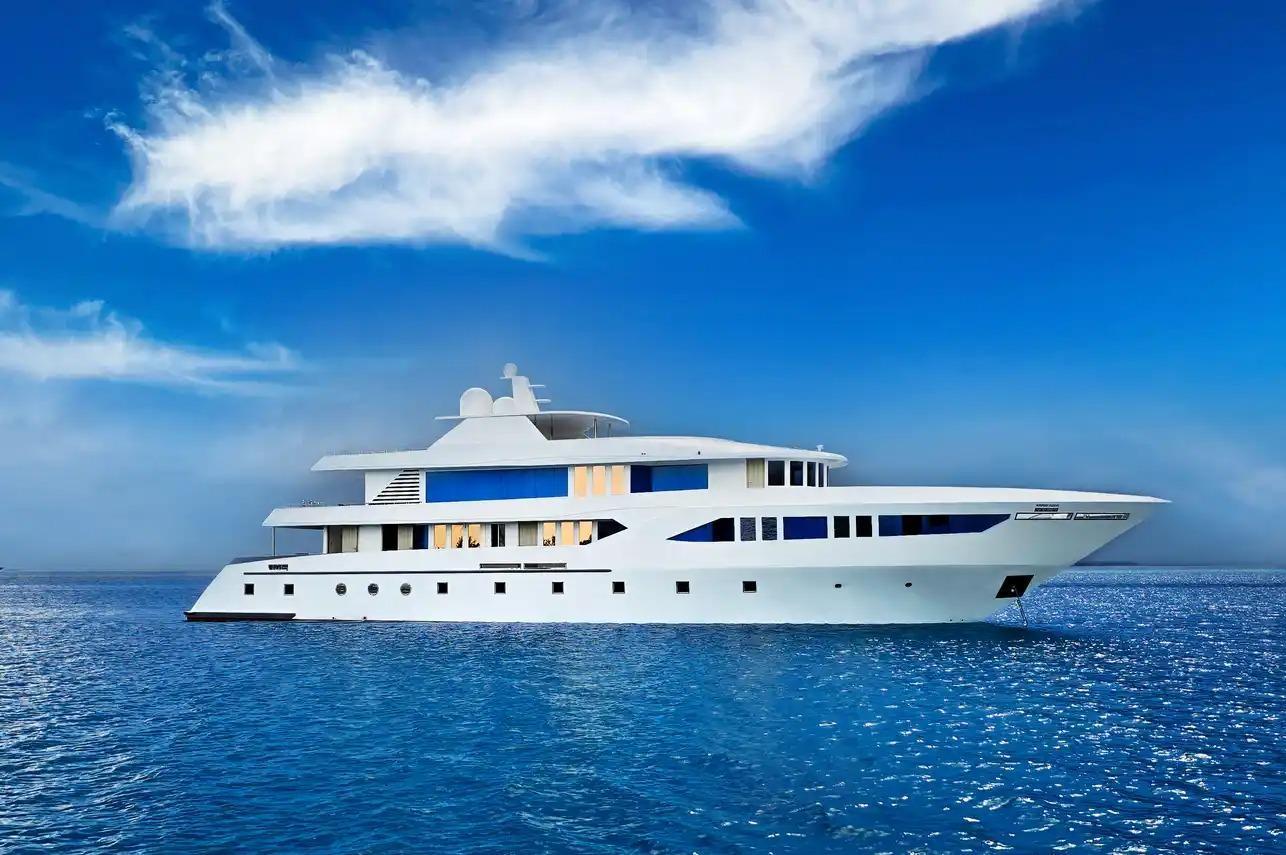
A liveaboard is a live-aboard diving vessel — essentially a boat that serves as your hotel, restaurant, dive base, and transport all in one. Instead of staying at a land resort and taking day trips to nearby reefs, you live on the water. The boat moves every night, repositioning while you sleep, so you wake up directly above a new dive site each morning.
In a destination like the Maldives — where the best dive sites are scattered across dozens of remote atolls spanning hundreds of kilometres — a liveaboard isn’t just a nice option. For serious divers, it’s the only option that makes real sense.
What’s typically included on a Maldives liveaboard trip:
- All accommodation on board
- Three meals a day plus snacks
- 3–4 guided dives per day (including night dives)
- Dive briefings and experienced dive masters
- Transfers between dive sites
What separates a great liveaboard from an average one comes down to the vessel quality, crew expertise, itinerary design, and the quality of the food and cabins. More on that below.
Why the Maldives Is the World’s Best Liveaboard Destination
The Maldives consistently tops lists of the world’s best diving destinations — and the liveaboard format is uniquely suited to how this archipelago is shaped.
The country is made up of 26 natural atolls, each with its own character, marine life, and seasonal highlights. No single resort can access all of them. A liveaboard can.
What makes the Maldives special underwater:
- Whale sharks — the world’s largest fish, seen year-round in South Ari Atoll
- Manta rays — over 5,000 individual mantas have been identified in Maldivian waters
- Hammerhead sharks — early morning sightings at Rasdhoo Atoll
- Tiger sharks, nurse sharks, reef sharks — abundant across multiple atolls
- Manta cleaning stations — natural coral outcrops where mantas gather daily to be cleaned by small fish
- Thilas and kandus — the Maldives’ iconic underwater pinnacles and current-swept channels, draped in soft corals and teeming with fish
Water temperature stays between 26–29°C year-round. Visibility ranges from 20 to over 30 metres during peak season. Currents, while strong in places, are precisely what draw the big animals — and experienced dive guides know exactly how to use them.
Choosing the Right Liveaboard: What to Look For
Not all liveaboards are equal. Before you book, here’s what actually matters:
Vessel Size and Comfort
A good liveaboard has enough space for guests to move around comfortably — a proper sun deck, a lounge area, a camera rinse station, and a dedicated dive deck. Smaller boats with more guests can feel cramped, especially on longer trips.
Cabin Quality
Check the cabin layout and bed configuration before booking. Standard lower-deck cabins typically share bathroom facilities or have compact en-suite bathrooms. Suite-level cabins offer more space, better natural light, and private bathrooms. If you’re travelling with a partner, check whether cabins have a double bed or twin beds.
Dive Team Expertise
Your dive masters and instructors are what make or break the underwater experience. Look for operators with experienced local guides who know exactly when the mantas arrive at cleaning stations, where the whale sharks are feeding, and which sites to hit at which time of day.
Safety Standards
Dive insurance is mandatory. Beyond that, look for vessels equipped with AED (defibrillator), oxygen kits, CO₂ monitors, fire suppression systems, life rafts, life jackets, and a night watch crew. These aren’t extras — they’re non-negotiable.
Feedbacks
Real diver reviews on platforms like TripAdvisor and Google are your best guide to what life on board is actually like — the food, the crew, how the dives are run, and how the operator handles problems when they arise.
The Spirit of Maldives: A Liveaboard Built for Serious Divers
For those looking for a liveaboard trip that combines diving excellence with genuine comfort, the Spirit of Maldives by Spirit Liveaboards is among the finest vessels operating in the Maldives today.
Launched in December 2024, the Spirit of Maldives was built from the ground up to set a new standard in Maldivian diving adventures. Rated 4.9/5 on Google across 47 reviews and 4.8/5 on TripAdvisor, it’s already earned a strong reputation among the diving community.
Vessel at a Glance
|
Specification |
Detail |
|
Length |
40 metres (131 ft) |
|
Beam |
13 metres (43 ft) |
|
Engine |
Cummins 720HP |
|
Speed |
10 – 12 Knots |
|
Guest Capacity |
Up to 26 guests |
|
Fresh Water Capacity |
15,000 litres |
|
Water Maker |
12,000 litres/day |
|
Internet |
Starlink Satellite |
|
Navigation |
GPS Chart Plotter, VHF/CB Radio, Satellite Phone |
Cabin Types
The Spirit of Maldives offers 13 well-appointed cabins across three decks, catering to different preferences and budgets.
|
Cabin Type |
Deck |
No. of Cabins |
|
Standard Cabins |
Lower Deck |
7 |
|
Suites |
Main Deck |
2 |
|
Standard Cabins |
Upper Deck |
2 |
|
Suites |
Upper Deck |
2 |
Upper deck suites offer the best views and most spacious layouts. Lower deck standard cabins are well-appointed and ideal for divers who spend most of their time on deck or underwater rather than in their room.
What’s On Board
- Jacuzzi on the sun deck
- Spacious lounge for relaxation between dives
- Dedicated camera area for rinsing and storing underwater photography equipment
- Library and entertainment system
- Expansive sundeck with loungers and 360° ocean views
- Starlink internet throughout the vessel
- Buffet-style dining — breakfast, lunch, and dinner daily
- Complimentary wine or beer with dinner
- Guided island and nature walks for cultural immersion
- Marine conservation lectures on Maldivian ecosystems
Safety equipment includes AED, CO₂ monitors, fire and smoke detectors, automatic fire extinguishers, life jackets, life rafts, and a dedicated night watch — a full suite of safety systems that meets and exceeds international maritime standards.
Special Trips Worth Knowing About
The Manta Magic Expedition
Spirit Liveaboards’ flagship special expedition, designed specifically around the Maldives’ best manta ray seasons and dive sites. The itinerary moves between Baa Atoll, Ari Atoll, North Malé Atoll, and beyond — targeting cleaning stations, feeding aggregations, and migration routes to maximise encounter rates.
Top sites on this expedition include:
- Hanifaru Bay (Baa Atoll) — UNESCO-protected, up to 200 mantas feeding simultaneously during peak season
- Manta Point (North Malé Atoll) — daily cleaning station, ideal for photography
- Dhigurah (South Ari Atoll) — calm conditions, year-round sightings, great for newer divers
Snorkeling in the Maldives
Not a certified diver? Spirit Liveaboards also runs dedicated snorkeling trips that access the same extraordinary sites — whale shark areas, manta feeding grounds, and vibrant coral reefs — without requiring any scuba certification.
Pre & Post Cruises in Sri Lanka
Combine your Maldives liveaboard trip with a cruise in Sri Lanka before or after. It’s an excellent way to explore two of the Indian Ocean’s most remarkable destinations in a single journey.
The Coolest Maldives Atolls for a Liveaboard Trip
North & South Malé Atolls
The most accessible region and a popular starting point for most liveaboard itineraries. Highlights include Manta Point, Kandooma Thila, and easy access from Velana International Airport. Excellent for first-time visitors.
Ari Atoll (North & South)
The crown jewel of Maldives diving. South Ari Atoll is home to the highest concentration of whale sharks anywhere in the world. North Ari features Maaya Thila — one of the best night dives on the planet — and multiple manta cleaning stations. Most liveaboards include Ari Atoll in their standard itinerary.
Baa Atoll
Home to Hanifaru Bay, a UNESCO Biosphere Reserve. During the southwest monsoon (June to November), massive plankton blooms attract the largest manta aggregations on earth. A bucket-list experience even by Maldives standards.
Rasdhoo Atoll
For the hammerheads. Early morning deep dives here regularly produce hammerhead shark sightings in the blue water. Combined with wall dives, pelagic encounters, and the remote beauty of the northern atolls.
The Deep South (Huvadhoo, Addu, Fuvahmulah)
The most remote and often the most dramatic. Fuvahmulah in particular has become legendary among experienced divers for multi-species shark dives — tiger sharks, thresher sharks, and oceanic mantas in the same session. Longer itineraries (10–14 nights) are needed to reach here.
Coolest Time to Go on a Maldives Liveaboard Trip
|
Period |
Season |
Conditions |
Best For |
|
November – April |
Dry Season (NE Monsoon) |
Calm seas, 25–30m visibility, stable weather |
Overall best diving, manta rays in Ari Atoll |
|
May – October |
Wet Season (SW Monsoon) |
Stronger currents, 15–25m visibility |
Hanifaru Bay mantas, whale sharks, lower prices |
|
December – January |
Peak dry season |
Best overall conditions |
All-round diving, calm seas |
|
June – November |
Peak wet season |
Reduced visibility but spectacular pelagics |
Massive manta aggregations at Hanifaru |
Booking tip: Dry season liveaboards — especially December through March — book out months in advance. If you have a specific trip window in mind, secure your berth early.
What to Pack for a Maldives Liveaboard Trip
Packing right makes the whole experience smoother. Key items:
Diving Essentials:
- Dive computer (mandatory on most vessels — rental available if needed)
- Wetsuit — 3mm minimum, 5mm for night dives and deeper dives
- Mask, fins, and BCD if you have your own
- Dive insurance (DAN or equivalent — non-negotiable)
- Logbook and certification cards
On-Board Comfort:
- Reef-safe sunscreen only (regular sunscreen damages coral and is banned or strongly discouraged)
- Lightweight clothing for warm, humid conditions
- Sandals or flip-flops for deck life
- Seasickness medication if you’re prone to motion sickness
- A dry bag for valuables
- Underwater camera or GoPro
Documents:
- Passport valid for at least six months
- Confirmed return/onward flight ticket (required for Maldives entry)
- Dive certification card
How to Get There
All international flights arrive at Velana International Airport (MLE) on Hulhule Island, close to Malé. Most liveaboards depart from here, and your operator will arrange airport transfers.
The Maldives is reachable via major connecting hubs including Dubai, Singapore, Colombo, and Doha. Flights connect from cities across Europe, Asia, the Middle East, and beyond.
Is a Maldives Liveaboard Trip Right for You?
A liveaboard trip is ideal if you:
- Hold at least an Open Water diving certification
- Want maximum dives per day and access to remote sites
- Are travelling with fellow divers
- Want dedicated whale shark or manta encounters built into your itinerary
- Are looking for an all-in-one adventure where everything is taken care of
A resort might suit you better if:
- You have a non-diving travel partner who needs resort facilities
- You’re uncomfortable on boats for extended periods
- You prefer a fixed base with day trips
For most divers, once they’ve done a liveaboard trip in the Maldives, they come back the same way. It’s that kind of experience.
Frequently Asked Questions
- How long should a Maldives liveaboard trip be? Most standard itineraries run 7–10 nights — enough to cover multiple atolls and build a diverse logbook. Longer trips of 12–14 nights are available for those wanting to reach the remote southern atolls.
- Do I need advanced certification? Open Water is sufficient for most sites. Advanced Open Water opens up night dives, deeper dives, and drift dives — which are among the best experiences the Maldives offers. It’s worth getting before you go.
- What if I get seasick? The Indian Ocean can be calm or choppy depending on the season. Dry season conditions are generally smooth. Pack medication (Bonine or equivalent) and keep it accessible.
- Are liveaboard trips suitable for solo travellers? Absolutely. Liveaboards naturally create a social environment — small groups of like-minded divers in close quarters tend to bond quickly. Many solo divers specifically prefer the liveaboard format for this reason.
- When should I book? For peak dry season trips (December–March), book 4–6 months ahead. Wet season has more flexibility, but popular operators fill up quickly regardless.
Ready to Plan Your Trip?
A Maldives liveaboard trip is one of those experiences that reshapes what you think is possible underwater. The marine life is real, the diving is extraordinary, and the days spent moving from atoll to atoll with nothing but ocean around you are unlike anything on land.
Check current schedules, itineraries, cabin availability, and special expedition dates at Spirit Liveaboards — and start planning the trip you’ll never stop talking about.