
Outdoor Leadership: Skills and Strategies for Success
Have you ever found yourself lost in the woods, trying to decipher crumpled maps and murky directions? Trust us, we’ve all been there. Outdoor leadership isn’t just about leading a group into nature: it’s about weaving together adventure, problem-solving, and a good dose of humor. When the weather takes a turn, or when someone attempts to barbecue a can of beans, effective outdoor leadership becomes the glue that holds the group together. Let’s jump into the wild world of outdoor leadership, where skills and strategies come together to turn potential chaos into unforgettable experiences.
Understanding Outdoor Leadership
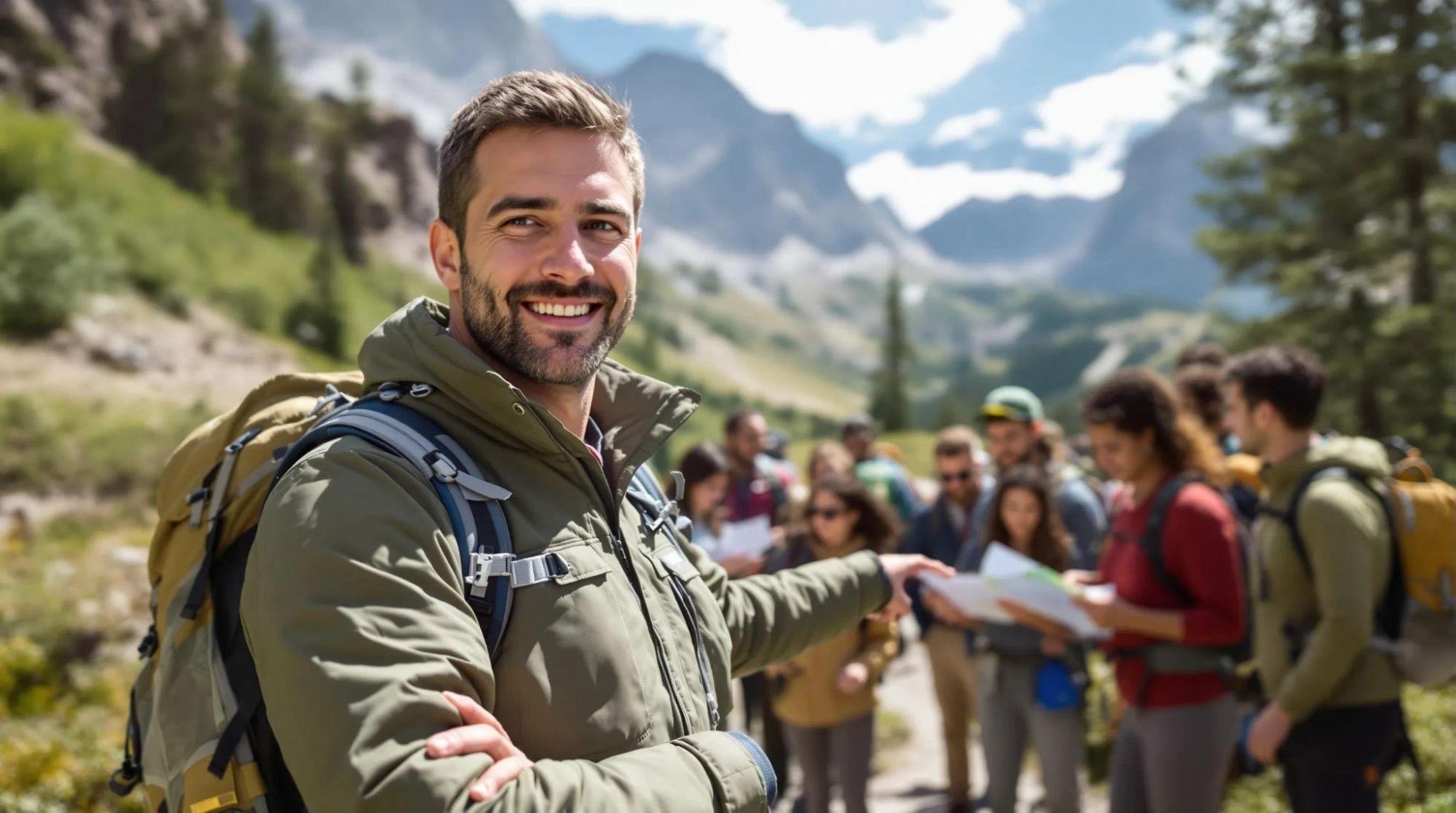
Outdoor leadership is a multifaceted role, blending elements of adventure, education, and management. When we step outside into nature, the dynamics shift dramatically from those in traditional leadership scenarios. Rather than a boardroom, we’re often faced with unpredictable challenges like shifting weather, diverse personalities, and environmental hazards. This environment demands leaders who can adapt swiftly, communicate effectively, and inspire confidence in their team. The essence of outdoor leadership lies in recognizing the unique responsibilities we carry: we’re not just guiding a hike: we’re fostering growth, resilience, and unforgettable experiences for everyone involved.
Key Characteristics of Effective Outdoor Leaders
What exactly makes for an effective outdoor leader? From our experiences, a handful of key characteristics stand out:
Adaptability: Nature is unpredictable, and as outdoor leaders, we must embrace that chaos. Changes occur quickly: a sunny morning can morph into a thunderstorm by noon. Being adaptable means we can adjust plans while keeping everyone safe and engaged.
Empathy: Understanding the individual needs of each group member builds trust and rapport. Empathetic leaders pay attention, listen actively, and acknowledge different backgrounds and experiences.
Confidence: It’s crucial for us to exude confidence in our decisions and abilities. A confident leader instills a sense of safety, guiding the group decisively through challenges.
Communication Skills: Clear communication is vital in outdoor leadership. Whether giving directions, providing feedback, or offering support, ensuring that every team member feels heard and understood brings everyone together.
Building Trust and Team Cohesion
Trust is the cornerstone of successful outdoor leadership. When we create an atmosphere of safety and openness, our group members feel more comfortable pushing their limits and taking risks. Trust fosters deeper connections, improving teamwork and collaboration.
Essential Skills for Outdoor Leadership
To build trust, we must hone several essential skills:
Listening: This isn’t just about hearing words: it’s about understanding emotions and intentions behind them.
Feedback: Providing constructive feedback encourages personal growth, allowing team members to learn from their mistakes in a supportive environment.
Decision-Making in Uncertain Environments
In outdoor leadership, we frequently encounter ambiguous situations where quick decisions are necessary. This is where our skills in critical thinking come into play. We weigh options, consider the group’s well-being, and make the best choice with available information. In doing so, we demonstrate that effective leadership is a blend of knowledge, experience, and intuition.
Fostering Communication in Outdoor Settings
Communication becomes even more vital in the great outdoors, where environmental factors can distort messages. We develop techniques to ensure that everyone is on the same page. Here are several effective strategies:
Use Simple Language: Clear and concise instructions reduce misunderstandings.
Non-Verbal Cues: Body language and gestures can effectively convey messages, especially in noisy or chaotic environments. A simple thumbs up can go a long way.
Regular Check-Ins: Creating opportunities for reflection and feedback ensures everyone’s voice is heard. Whether it’s around the campfire or during a hiking break, these moments enhance connection and camaraderie.
Challenges Faced by Outdoor Leaders
Even though the thrill of outdoor leadership, we often face challenging situations. Some common obstacles include:
Weather Conditions: Unpredictable weather can impact our plans and the mood of the group.
Group Dynamics: Divergent personalities can lead to tensions that, if not managed properly, can disrupt the experience.
Strategies for Overcoming Outdoor Leadership Challenges
To tackle these challenges, we employ several strategies:
Preparation: Anticipating potential problems allows us to respond proactively rather than reactively.
Flexibility: When things don’t go as planned, adjusting our course while maintaining a positive attitude is key. This is where our resilient spirit shines.