

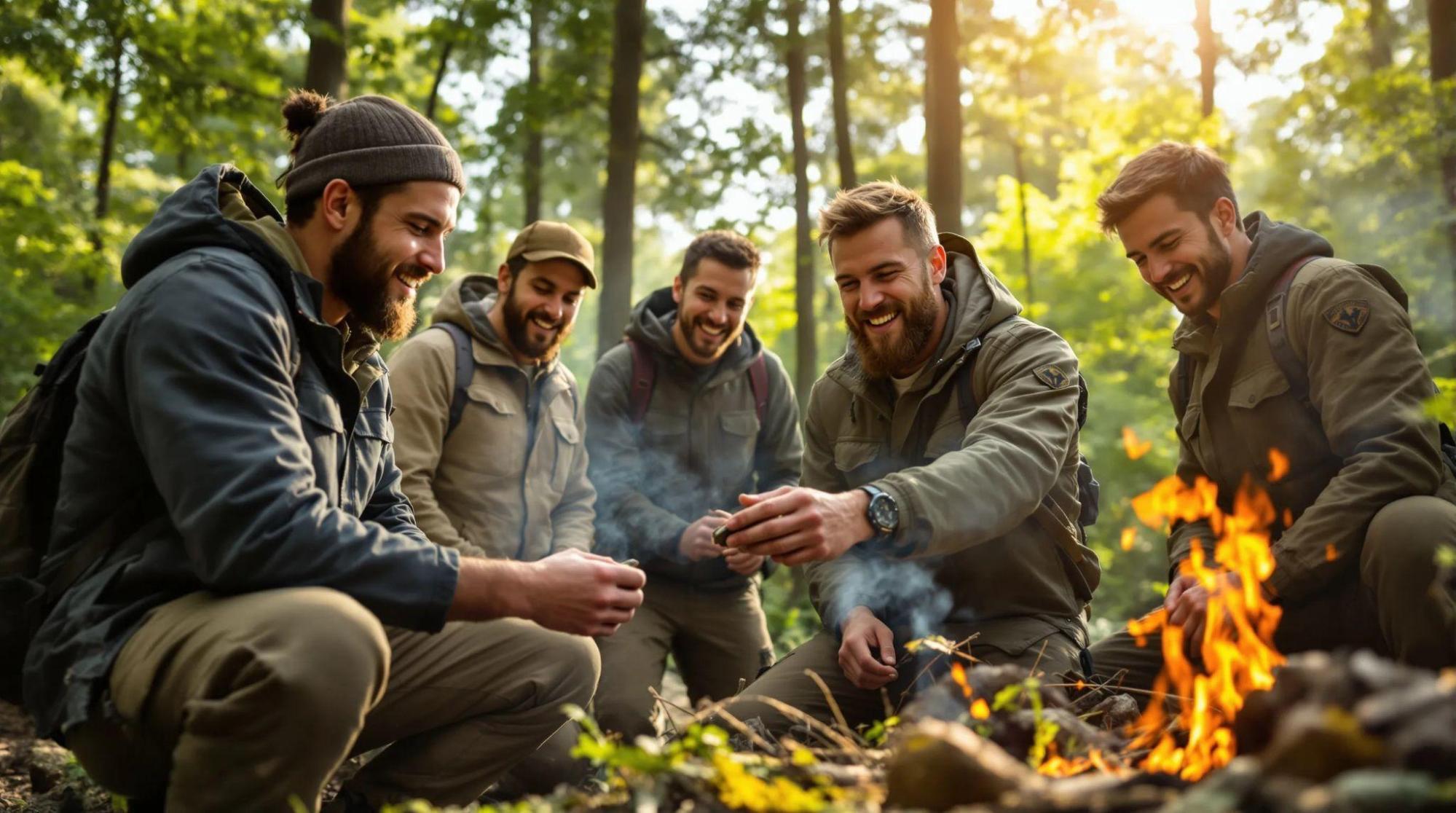
Are you ready to embrace your inner Bear Grylls? If so, you’re in for a wild ride. Here’s the deal: survival camps are not just about grizzly bears and edible insects – they’re all about skills, camaraderie, and possibly mastering the art of starting a fire without using matches (yes, it can be done.). In this guide, we’ll jump into what survival camps are, the various types available, and how attending one could transform you from a suburban couch potato into a wilderness warrior.
What Are Survival Camps?
Survival camps are immersive experiences designed to teach participants essential survival skills that can be crucial in real-life emergency situations. Think of them as intensive boot camps that prepare you for the unexpected. They blend adventure, education, and a whole lot of fun into one thrilling package. From learning how to navigate the wilderness using nothing but a map and compass to setting up a tent without a single instruction manual, survival camps provide the perfect environment for hands-on learning. They cater to various skill levels, meaning there’s something for everyone, whether you’re a city slicker or a seasoned outdoor enthusiast.
Types of Survival Camps
When it comes to survival camps, options are as diverse as the environments you’ll be exploring. Here are a few popular types:
Wilderness Survival Camps
These camps focus on natural environments like forests, mountains, and lakes. Participants learn skills like shelter building, foraging, and water purification.
Urban Survival Camps
For those who want to be prepared for emergencies in urban settings, these camps teach skills relevant to city living, think navigating through a disaster or urban self-defense tactics.
Family Survival Camps
These are ideal for families looking to bond and learn together. Focused on teamwork and communication, these camps offer child-friendly activities alongside adult training.
Specialty Camps
Some camps focus on specific skills, like tracking, fishing, or self-defense. If you have a particular interest, there’s likely a camp that caters to it.
No matter which type resonates with you, each experience promises invaluable lessons.
Benefits of Attending Survival Camps
Enrolling in a survival camp can be a life-changing experience, and here’s why we think every outdoor enthusiast should consider it:
Enhanced Skillset: From tying knots to building fires, we’ll learn skills that can be applicable in real-life situations.
Confidence Building: Nothing beats the feeling of conquering fears and challenges. Surviving in the great outdoors can boost our self-confidence.
Connection with Nature: In our tech-obsessed world, it’s easy to forget how important nature is. Survival camps offer us a chance to reconnect with the earth.
Camaraderie: Meeting like-minded individuals who share our interests can lead to new friendships and connections that last a lifetime.
Problem-Solving Skills: Force yourself to think on your feet in unpredictable situations might just be the best training we can get for daily life.
Skills You Will Learn at Survival Camps
At survival camps, the list of skills we can acquire is extensive. Here are some core competencies we’ll likely explore:
Fire Making
Learning to start a fire without matches (yes, really.) is not only a survival skill but also a morale booster. We will get hands-on practice using flint, steel, or even bow drills.
Shelter Building
Knowing how to construct a temporary shelter can make all the difference in the wilderness. We’ll learn to use available materials to protect ourselves from the elements.
Navigation
Using a compass and map effectively is an essential skill. It’s one thing to have a GPS, but there’s nothing quite like old-school navigation.
Choosing the Right Survival Camp for You
Choosing the right survival camp is crucial for a successful experience. Here’s a checklist to help us nail it:
Skill Level: Are we beginners, or do we have some experience? Picking a camp that matches our skill level is key.
Location: Do we prefer a forest, mountain, or urban setting? Each environment presents different challenges and learning opportunities.
Duration: Camps can range from a weekend to several weeks. Consider how much time we are willing to commit.
Reviews/Recommendations: Researching previous attendees’ experiences can offer insights and help guide our decision.